Can I use my credit or debit card in Brazil?
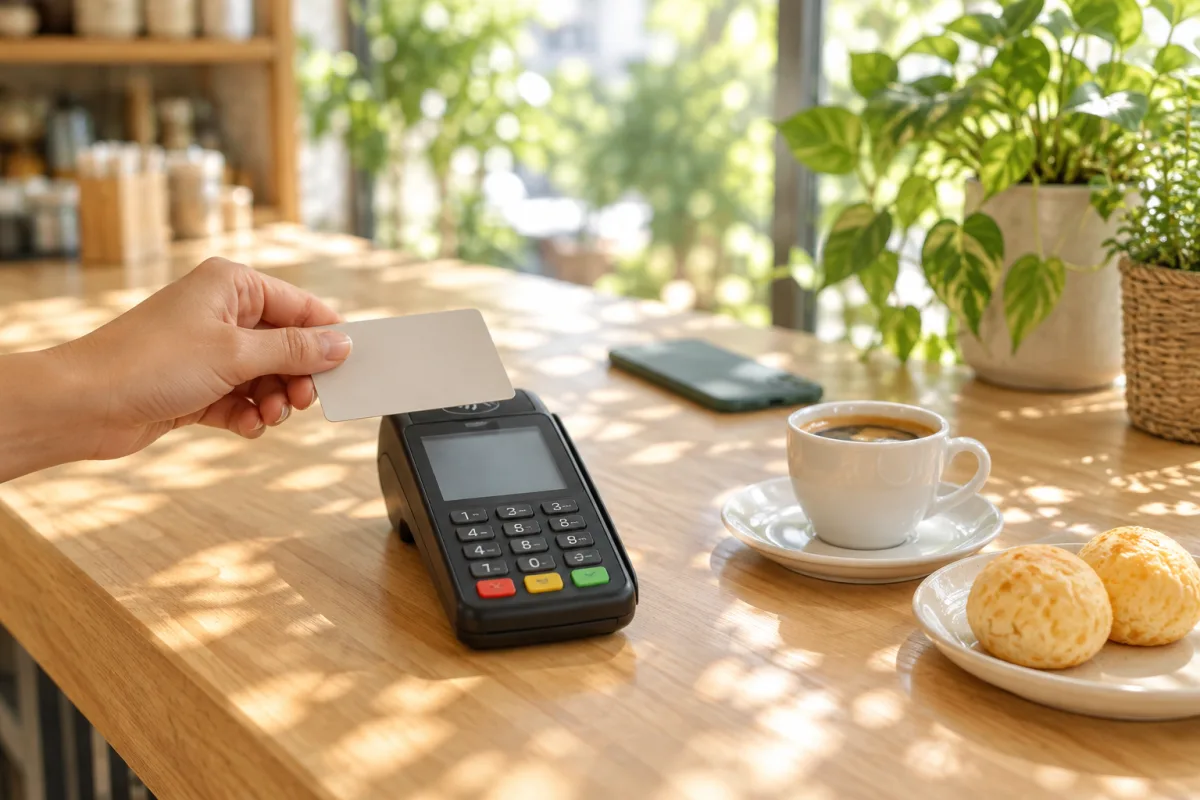
Yes. Visa and Mastercard credit and debit cards from home are accepted in most shops, restaurants, supermarkets and hotels in Brazilian cities, by tap, chip or swipe. A few habits make card payments go more smoothly:
- Say “crédito” when asked. The card machine asks “crédito ou débito?”. Many travellers report that a foreign debit card only goes through when the payment is run as crédito, because the machine cannot route it as a local debit card.
- Always pay in reais. If the machine offers to charge you in your home currency, say no. That conversion is set by the shop’s provider and is almost always worse than your own bank’s rate.
- Carry a Visa or Mastercard. Amex, Diners and Discover are less certain. Cielo, Brazil’s largest card machine provider, supports them, but each shop has to switch them on.
- Bring a second card on a different network, kept separately, in case one is blocked or lost.
Why is my card declined in Brazil?
In shops, a declined card is usually your own bank blocking the payment, not a problem with the shop. A payment in Brazil can look unusual to your bank, especially in your first days, and its fraud checks decline it before the shop ever sees a reason. If it happens:
- Check your bank’s app. If the payment was blocked as possible fraud, you can usually approve it there and try again. Turn on the app’s notifications before you fly.
- Try crédito instead of débito, or the other way round.
- Tap instead of inserting, or the other way round. Contactless and chip payments are processed differently, and one sometimes works when the other does not.
- Check how your bank sends security codes. If they arrive by text to your home number, they may not reach you on a Brazilian SIM. An app or authenticator is safer (see SIM cards in Brazil).
- Set a travel notice if your bank still offers one. Many large banks no longer need them, but some still use them.
Can I use a foreign card on Brazilian websites and apps?
Often not. Online is where foreign cards fail most, and the usual reason is the CPF, the Brazilian taxpayer number. Brazilian shops issue a tax invoice (nota fiscal) for each sale, and checkout systems are built around a CPF field. Nuvemshop, a large Brazilian shop platform, says its CPF field cannot be switched off for exactly that reason. The tax rules do allow a foreign buyer to be identified by passport, but most shops never set that up.
You will meet the same wall when you sign up for many Brazilian apps:
- Mercado Livre and Mercado Pago ask for a CPF or CNPJ when you register.
- iFood, the main food delivery app, is one many visitors report being unable to use with a foreign card and no CPF.
- Bus and flight tickets bought on Brazilian sites often need a CPF too. Buying from the airline’s international site, or in person at the bus station, is the usual way round it.
Uber is the friendly exception. It asks for a CPF only from riders who pay in cash, and checks card payers through their card details instead. If you are staying a while, getting a CPF fixes most of this: our CPF guide covers how.
Can I withdraw cash in Brazil with a foreign card?
Yes, but every withdrawal costs a fee. Banco24Horas is the ATM network you will see most. It has more than 24,000 machines and accepts foreign Visa, Mastercard, Maestro, Cirrus, Plus, Diners, Discover and UnionPay cards. A few things to expect:
- A fee on every withdrawal. Brazilians get some free withdrawals a month, but Banco24Horas says those do not apply to international withdrawals. The machine shows its fee before you confirm, and your own bank may add one.
- Low limits per withdrawal. Travellers report limits of around R$800 to R$1,000 per withdrawal, so a large amount means several fees.
- Choose reais. If the ATM offers to convert into your home currency, decline it.
- Use ATMs inside banks, shopping centres or supermarkets, in daylight where you can.
Where can’t I pay by card in Brazil?
Mostly with small businesses, people you pay directly, and rent and bills, which often take only Pix, cash or boleto. Pix is the most used way to pay in Brazil: in a 2024 Banco Central survey, 76% of Brazilians said they use it, more than use debit cards (69%), cash (69%) or credit cards (52%). Expect to need Pix or cash for:
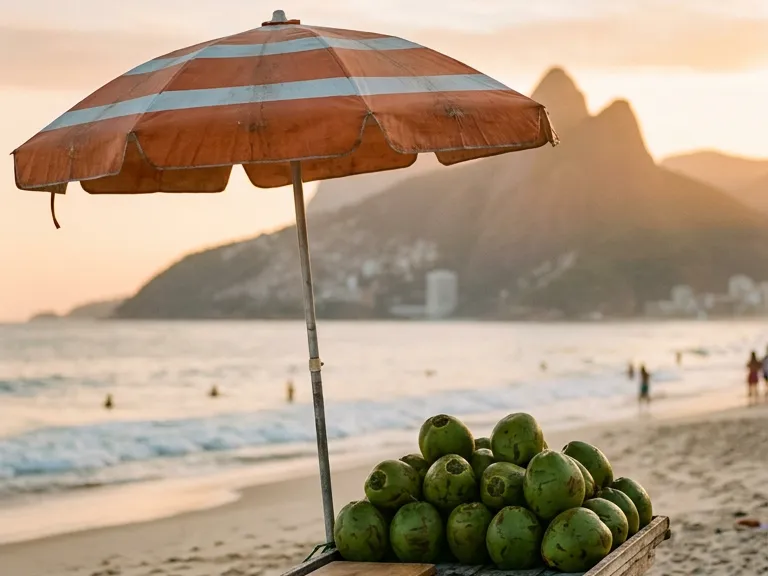
- Beach kiosks, market stalls, street food and many taxi drivers
- Rent, deposits and most bills (see renting in Brazil)
- Cleaners, tour guides, personal trainers and anyone you pay directly
Paying by Pix can also cost less than paying by card. Brazilian law (Lei 13.455/2017) lets shops set different prices for different ways of paying, as long as they display them, and many offer a discount for Pix or cash.
How can I pay by Pix without a CPF?
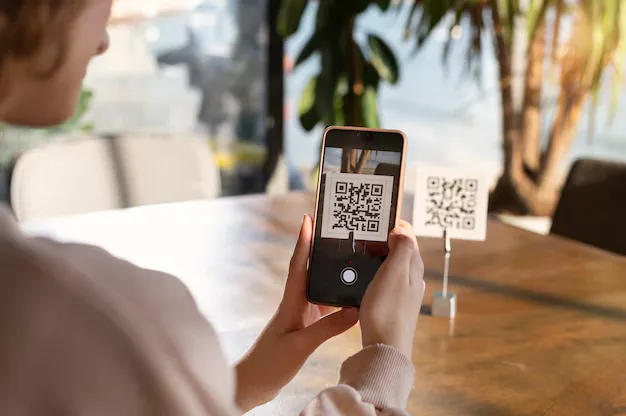
Use an app that connects you to Pix without a Brazilian bank account. Getting Pix through a Brazilian bank needs a CPF and an account. With Liminal, you verify your identity once with your passport and pay any Pix QR code, copy-and-paste code or Pix key from your dollar or euro balance, which you can top up in dollars, euros or pounds. You need no CPF, no Brazilian bank account and no Brazilian phone number.
Pix is completely free with Liminal, and each payment can be from $5 (in reais at the rate of the day) up to $10,000 (in reais at the rate of the day). Our guide to Pix for foreigners covers setup, funding and limits step by step.