Do I need a visa for Brazil?
It depends on your passport. Since 10 April 2025, citizens of the United States, Canada and Australia need a visa for tourism. It is an e-visa you apply for online, only through Brazil’s official e-visa site, run by VFS Global.
- Cost: US$80.90. For US citizens, the Brazilian consulate in Chicago says the visa is valid for 10 years.
- Time: the consulate in Montreal says it usually takes about 10 business days once the consulate receives your file, and can take longer. It advises against buying flights until the visa is granted.
- UK citizens do not need a visa for a tourist stay of up to 90 days, according to UK government travel advice.
- Everyone else: Brazil’s foreign ministry publishes the official visa table by nationality. Find your country there before you book.
Staying longer to work remotely? A tourist stay is not the right visa for that. See Brazil’s digital nomad visa.
How long can I stay in Brazil as a tourist?
Up to 90 days per visit. Brazil’s immigration decree lets the Federal Police (Polícia Federal) extend that by up to another 90 days, as long as you spend no more than 180 days in Brazil in the 12 months from your first entry. Extensions depend on your nationality.
To extend, book an appointment with the Federal Police before your 90 days run out and pay the R$110.44 fee. If you overstay, you are fined for each day.
What documents do I need to travel to Brazil?
- Your passport, valid for your whole stay. Brazil itself asks for no extra validity, but UK travel advice says at least 6 months from arrival, and airlines can be stricter. Six months is the safe rule.
- Your e-visa, if your nationality needs one.
- Your return or onward ticket and where you are staying. Border officers may ask for these, and for proof you can support yourself.
At the airport, make sure your passport is stamped on entry. UK travel advice warns you may be fined when you leave if it is not.
What vaccines do I need for Brazil?
No vaccine is required to enter Brazil. Yellow fever is the one to think about:
- Brazil’s Ministry of Health recommends the yellow fever vaccine for all travellers, at least 10 days before the trip. One dose lasts for life.
- The US CDC recommends it for travel to most of Brazil, including Rio de Janeiro, São Paulo, Brasília and Iguaçu Falls, but not for trips limited to some coastal cities such as Fortaleza and Recife. It also recommends routine vaccines, including measles.
See a travel clinic a few weeks before you fly. Travel insurance is not required, but take some: UK travel advice notes that public hospitals treat emergencies, while private hospitals may not see you without proof you can pay or are insured.
How do I get mobile data in Brazil?
For a trip of a week or two, a tourist eSIM is easiest: set it up at home and it works when you land, with no CPF. Staying longer? TIM is the main carrier that sells prepaid SIMs to foreigners with just a passport. Our Brazil SIM card guide compares the options and prices.
Brazilians do almost everything on WhatsApp, from booking a table to talking to your landlord, so make sure yours works on your trip.
Do I need a CPF to visit Brazil?
Not for a holiday. The CPF is Brazil’s taxpayer number, and you only miss it for some apps and websites, such as iFood and many online shops, and for SIM cards from Vivo and Claro.
If you will stay a while, you can get one before you fly at a Brazilian consulate, for free. Our guide to getting a CPF as a foreigner covers both routes.
How should I pay in Brazil?
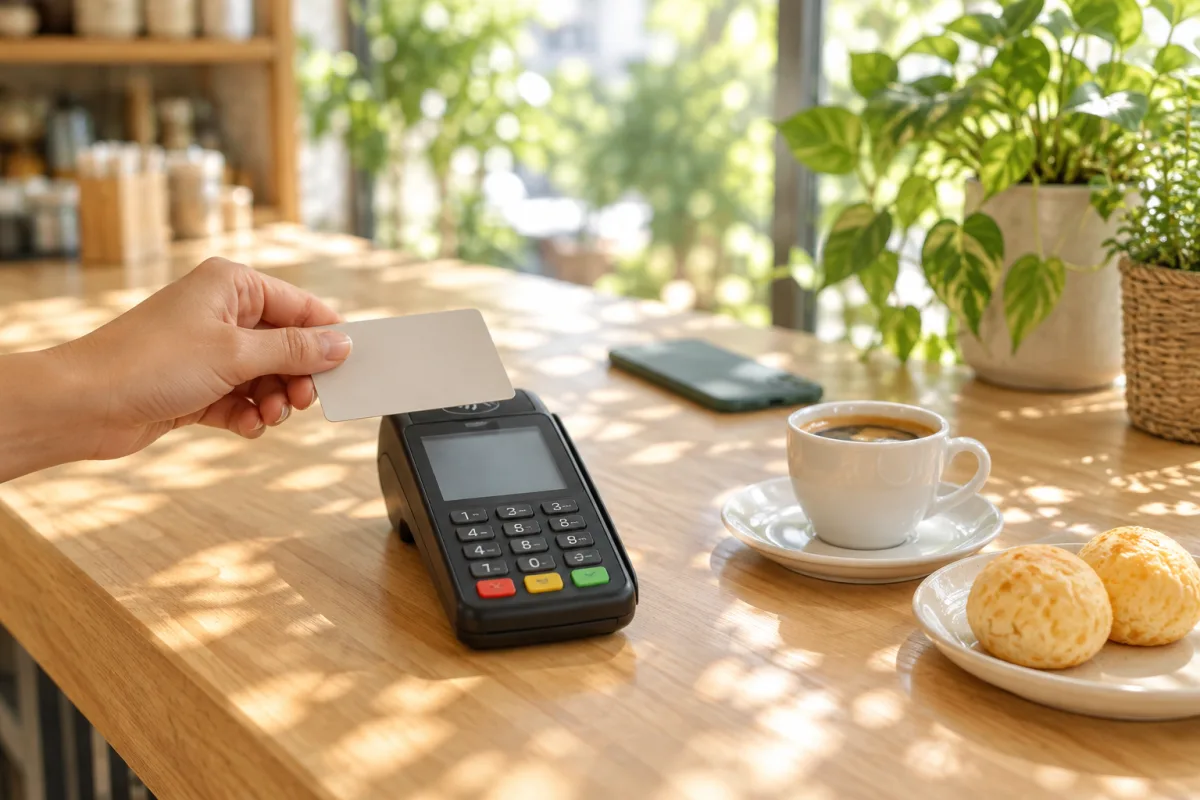
Bring two ways to pay, and set up Pix before you go. Pix is Brazil’s instant payment system, and street vendors, taxis, market stalls and many small shops take only Pix or cash.
- Pix: normally needs a Brazilian bank account. With Liminal, you verify your identity once with your passport, add money in dollars, euros or pounds, and pay any Pix QR code in Brazil. No CPF, no Brazilian bank account and no Brazilian phone number. Do it at home, so it is ready when you land.
- Your cards: Visa and Mastercard work in most shops and restaurants in cities. Turn on travel use in your bank’s app, and always choose to pay in reais. If a card is declined, our guide to foreign cards in Brazil explains why.
- Some cash: a little in reais, for anything under a few dollars. Brazilian ATMs charge a fee on each withdrawal.
- Know the rate: check what your money is worth in reais before you go with the USD to BRL, EUR to BRL or GBP to BRL converter.
Carrying more than US$10,000 in cash, or the same in another currency? You must declare it online (the e-DBV) and use the red channel at customs. Undeclared cash above that amount can be seized.
What plug adapter do I need for Brazil?
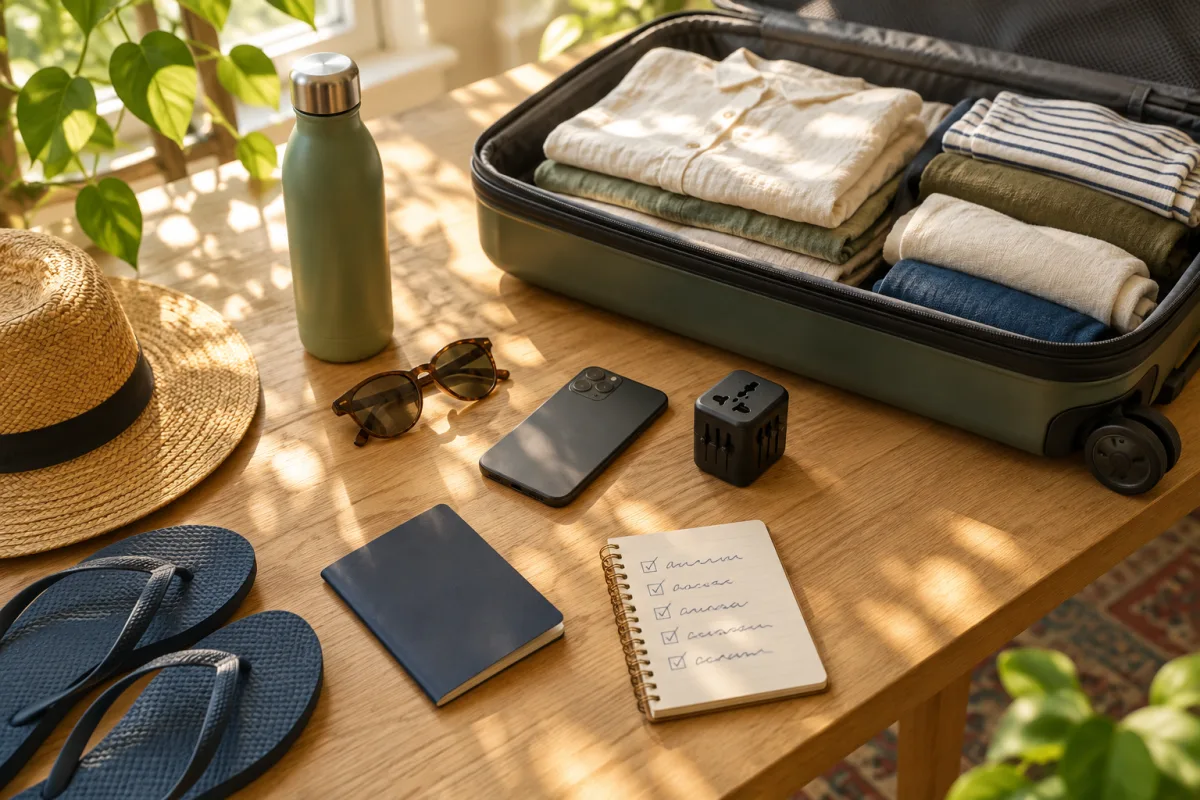
Brazil uses its own plug, Type N, with two or three round pins. Bring a Type N adapter, or a universal one that lists Type N.
The voltage changes from city to city. According to the electricity regulator ANEEL, sockets are mostly 127V in Rio de Janeiro, São Paulo and Manaus, and 220V in Brasília, Recife, Fortaleza and Florianópolis. Check the label on your charger: if it says 100–240V, it works anywhere. Hair dryers and straighteners often do not.
What should I pack for Brazil?
Besides the plug adapter, one tip: don’t bother packing flip-flops. Buy a fun pair of Havaianas when you get there. They are Brazilian, sold everywhere from supermarkets to beach shops, and a classic pair costs about US$10.
Which apps should I download before going to Brazil?
- A Pix app: Liminal, verified and topped up before you fly.
- Uber or 99: the main ride-hailing apps. 99 is the Brazilian one. Uber works with a foreign card and no CPF.
- WhatsApp: for restaurants, hosts, tour guides and drivers.
- Maps: Google Maps or Waze, with your first neighbourhood downloaded for offline use.
- A translator: Google Translate with Portuguese downloaded offline. English is less common outside tourist areas.
- Your bank and insurer: so you can unblock a card or call for help.
What should I know before I land?
- Emergency numbers: 190 for the police, 192 for an ambulance and 193 for the fire brigade, according to Anatel. From a mobile, 112 and 911 also reach the police. Calls are free.
- Customs: you can bring in up to US$1,000 of goods duty-free when you arrive by air. Your own used clothes and belongings do not count.
- Tipping: restaurants usually add 10% to the bill as serviço. Consumer protection agencies such as Procon say it is optional, but most people pay it.
- Safety: read your government’s travel advice for the places you are going, keep your phone out of sight in the street, and book rides through an app.
Your Brazil travel checklist
- Check whether you need a visa, and apply for the e-visa if you do.
- Check your passport is valid for at least 6 months.
- See a travel clinic about yellow fever and routine vaccines.
- Buy travel insurance that covers medical treatment.
- Set up an eSIM, or plan where to buy a SIM.
- Set up Pix with Liminal and add money.
- Turn on travel use for your cards and bring a little cash.
- Pack a Type N plug adapter, and leave room for a pair of Havaianas.
- Download Uber or 99, WhatsApp, offline maps and Portuguese in your translator.
- Save the emergency numbers and your insurer’s number.
- Staying a while? Book a consulate appointment for a CPF.
Once you have landed, our guide to your first month in Brazil picks up from here.